

The best books to read while stuck at home
The best books to read while stuck at habitation
If you're stuck inside, yous'll want some of the best books to read to pass the time. Sure, you could while away the hours with an countless cavalcade of Telly, movies and video games, but nothing beats the long-lasting satisfaction of losing yourself in a book, and reflecting on it afterward.
Mayhap you're similar u.s.a., and your "to-read" pile is at least half-a-dozen books deep. But not every book is every bit suited to making a quarantine more endurable. (This might non be the all-time time to re-read "The Stand" by Stephen King for example.) From sci-fi adventures to nonfiction treatises, we've put together a list of what we've been reading until nosotros can leave our homes again.
- The best Kindles in 2020
- How the iPad (almost) killed the e-reader
Each one of these books is an actual title that a Tom'south Guide staffer has read since the shelter-in-place orders began. And if they can aid us keep our wits most us, hopefully they tin practice the same for you lot. If you've got more great books, feel gratuitous to share them in the comments. And recall: Even if you can't get to your local library right now, yous can all the same borrow many of these books online.
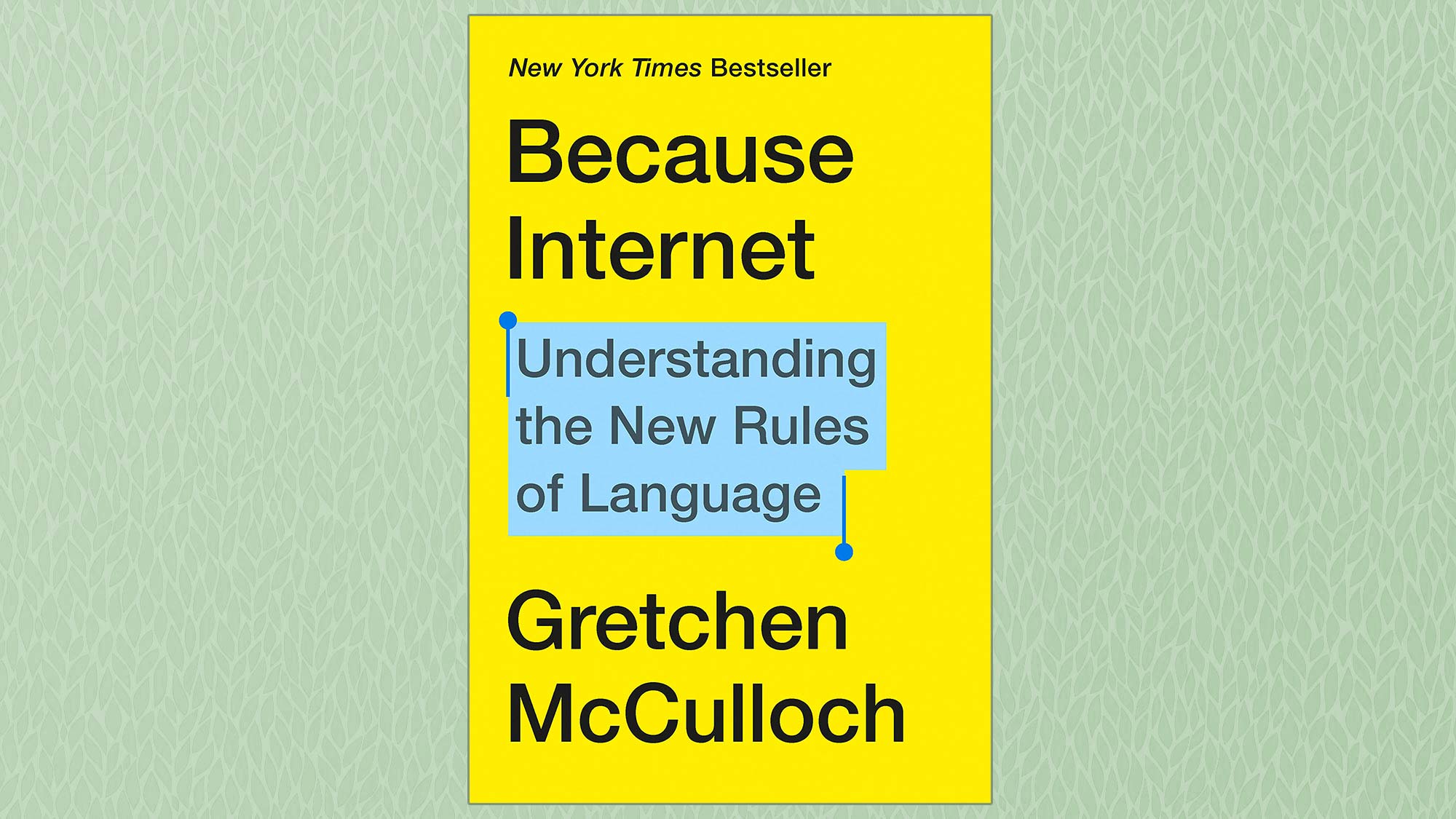
Because Internet by Gretchen McCulloch
Whether we like it or not, we're all stuck communicating online with the majority of our friends and family unit right now. This book, written by achieved Canadian linguist McCulloch, may help you appreciate the way language is used online, and how it has changed since humankind took to the internet.
If you're the kind of person wondering why older people apply and then many ellipses on Facebook, or why 😀 replaced :-), then you'll love the explanations of how these phenomena came to be. This is by no means a serious volume - McCulloch knows how to make her subject accessible and funny - but there's still plenty of proper content to become your teeth into. It's a fine case of a popular science title - like shooting fish in a barrel to read, but with enough data applicative to your own daily life that you'll start seeing even the briefest Tweet differently. - Richard Priday
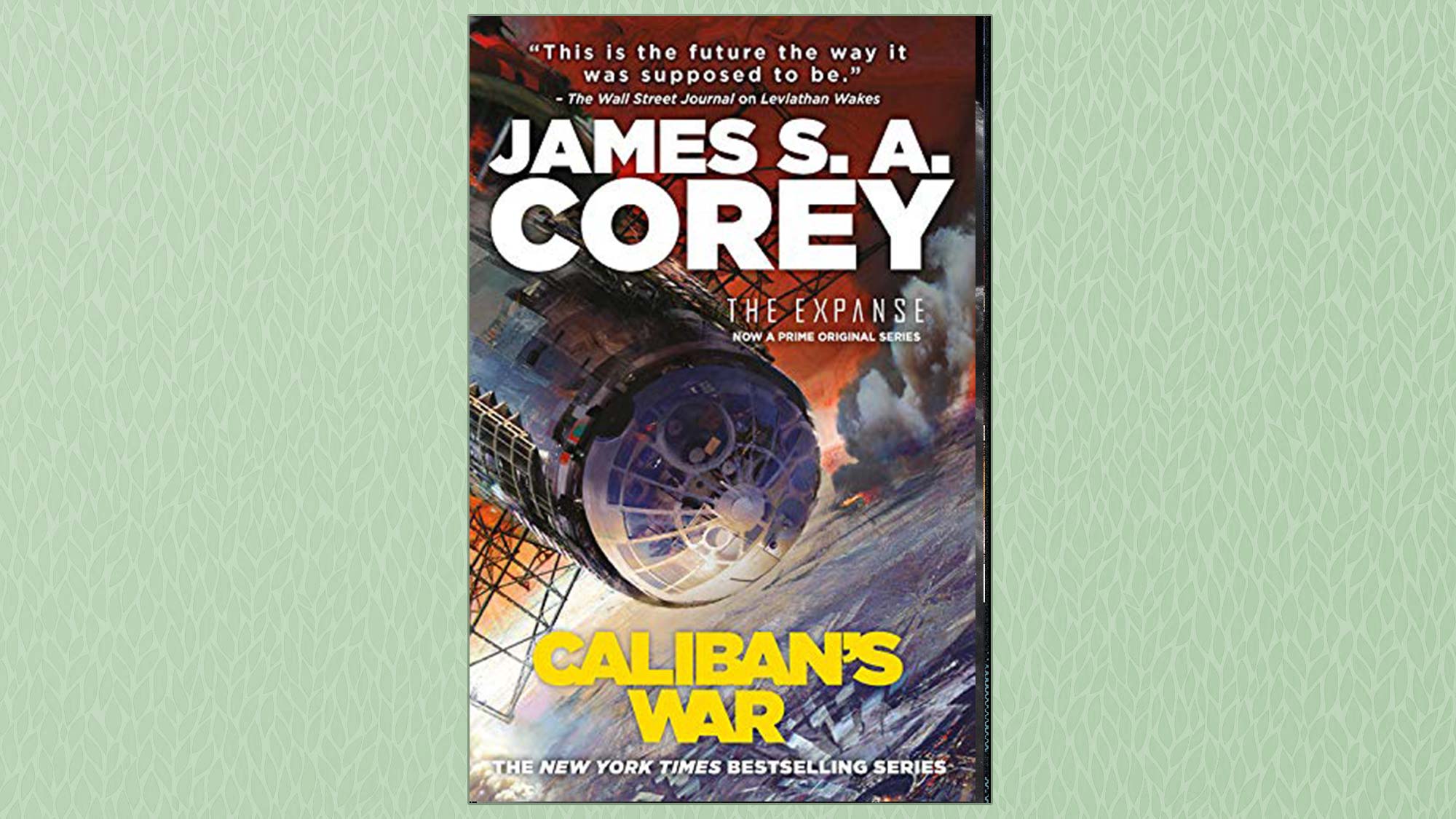
Caliban's State of war by James Southward.A. Corey
The Area is one of the best sci-fi shows currently on TV. Only if you're breathlessly waiting for the adjacent flavour, yous can sate your curiosity by diving into the books. Each season corresponds roughly to a unmarried novel in this long-running sci-fi series, which currently has eight books, and volition wrap up with a 9th later this year.
I'm currently on the second book: "Caliban's State of war" past James S.A. Corey (Orbit Books, 2012). In this novel, Earth and Mars are on the brink of all-out state of war, and but four people are in a position to finish it: independent captain James Holden, Martian marine Bobbie Draper, UN diplomat Chrisjen Avasarala and brilliant botanist Praxidike Meng. These four characters have turns in the spotlight as they navigate a chaotic solar organization full of greedy pirates, corrupt officials and monstrous mutants. Of course, if you haven't read the showtime book, "Leviathan Wakes" (Orbit Books, 2011), that's a amend starting signal — but Caliban's State of war is a meliorate read. – Marshall Honorof
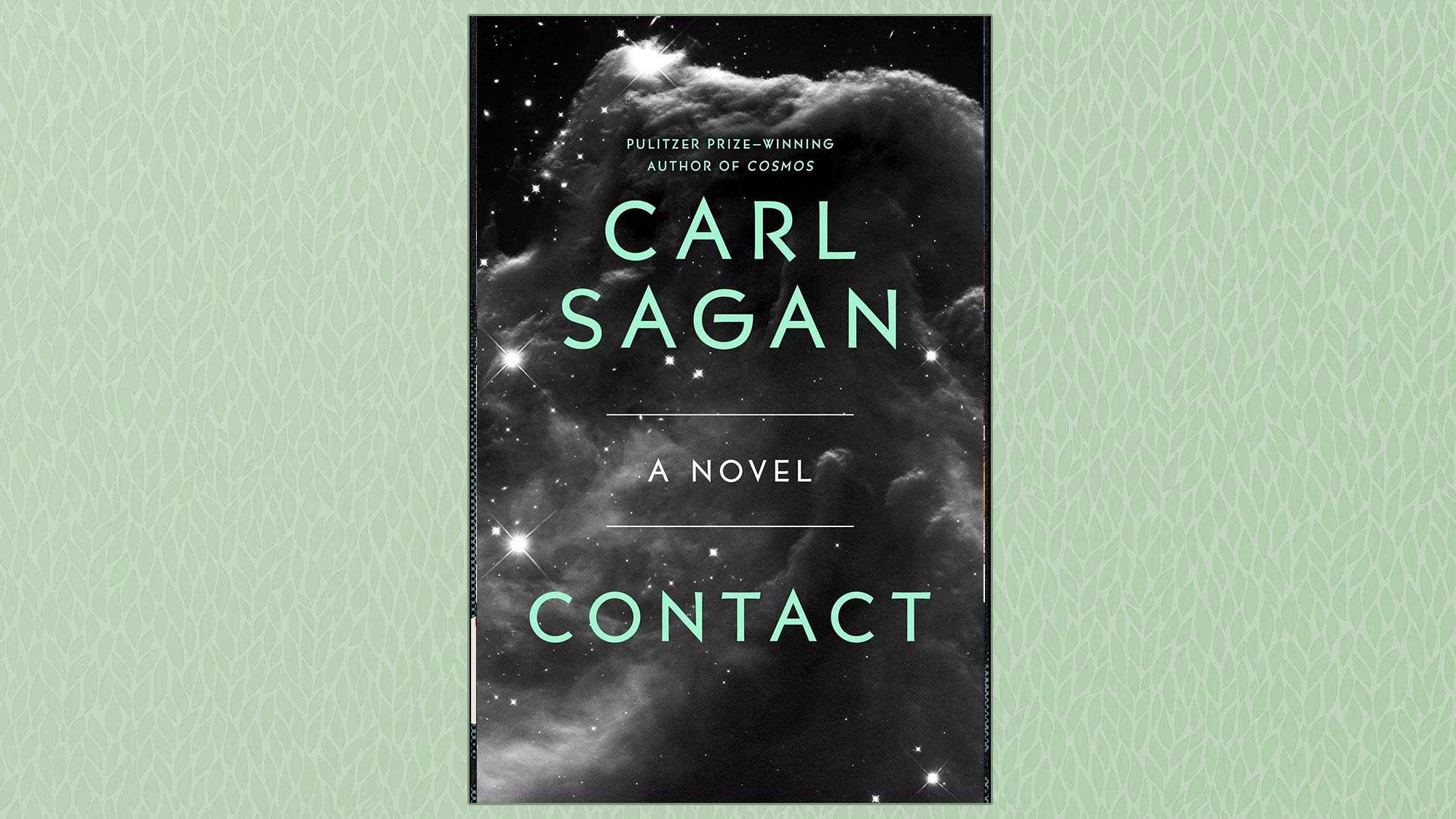
Carl Sagan, astrophysicist and science communicator extraordinaire, wrote more a dozen books. But only one of them was a novel. "Contact" (Simon and Schuster, 1985) tells the story of Eleanor Arroway: a skeptical kid who grows upwardly to become a talented radio astronomer. While analyzing data, she makes a shocking discovery: She has received a signal from an extraterrestrial intelligence. What's more than: The indicate contains schematics for an impossibly advanced automobile that could have her beyond the stars.
Contact is a specially reassuring volume to read during a pandemic, because it reminds me of calm, rational thinkers like Sagan himself. The human experience is full of contradictions, but ultimately, our species tin can accomplish incredible things when we put bated our differences and apply our all-time minds to a trouble. Like Sagan'due south best books, Contact takes some very complicated scientific principles and breaks them down for a lay audition — but this time, we get to come across something imaginative, rather than purely factual, happen at the end. – Marshall Honorof
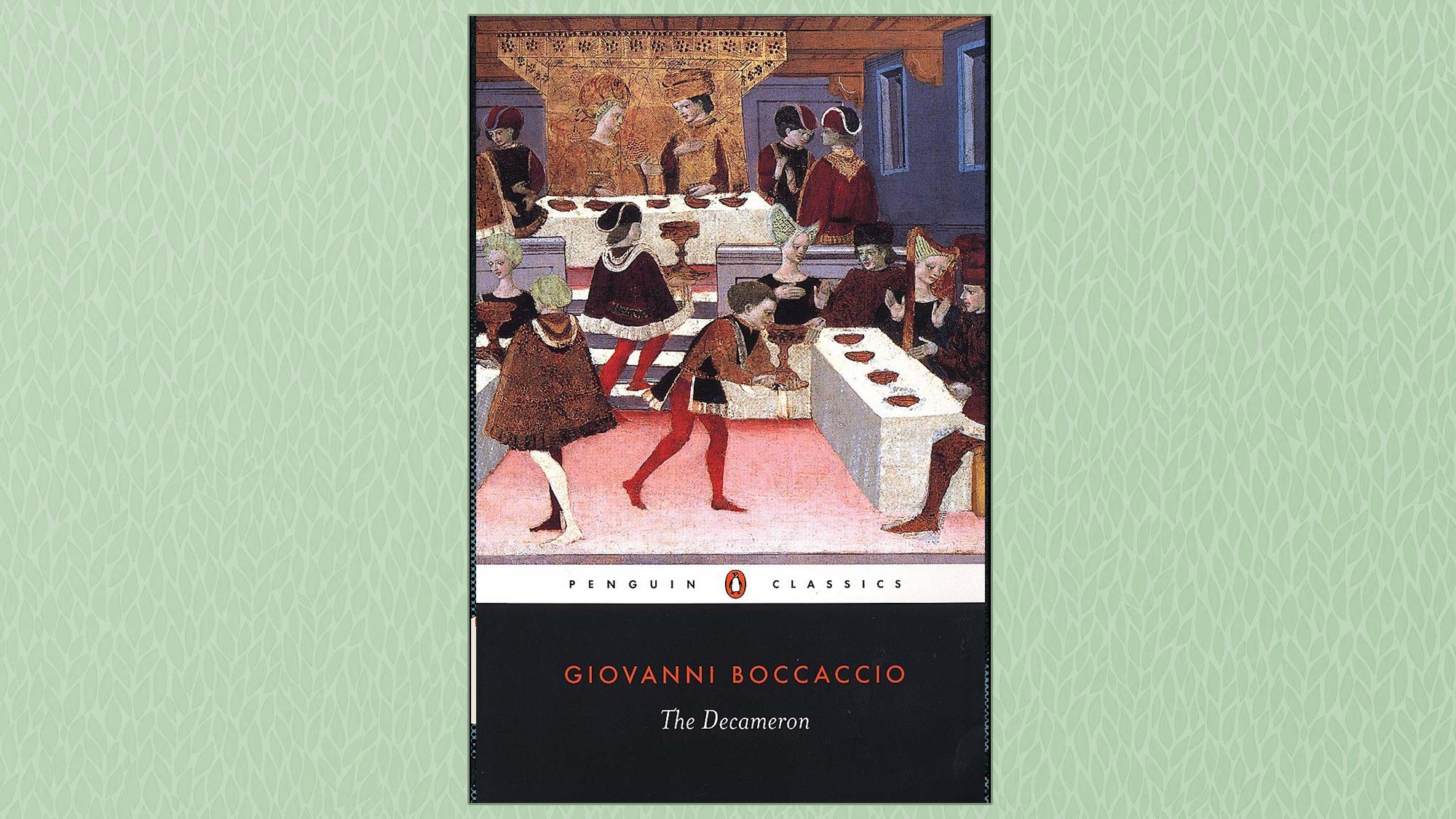
The Decameron by Giovanni Boccaccio
Want to know what life was like during the terminal bully pandemic? Boccaccio's opus is a compendium of 100 tales, told by ten people holed up in a villa exterior Florence as they cocky-isolate to avoid the Black Decease, which ravaged Europe in the middle ages. Each of the quarantinees— seven women and three men — tells one tale per night over the course of two weeks, with a different theme for each night. Stories are earthy, heroic, tragic, and erotic, with plenty of humour throughout.
Completed in 1351, the Decameron was written in Italian, though in that location are many translations available. As all peachy artists practice, Boccaccio stole the plots for a lot of the tales from other writers — and in plow, other writers, including Shakespeare, borrowed the plots from the Decameron. If you're looking for a good way to laissez passer the time while you're stuck indoors, might as well practice what worked back then. — Mike Prospero
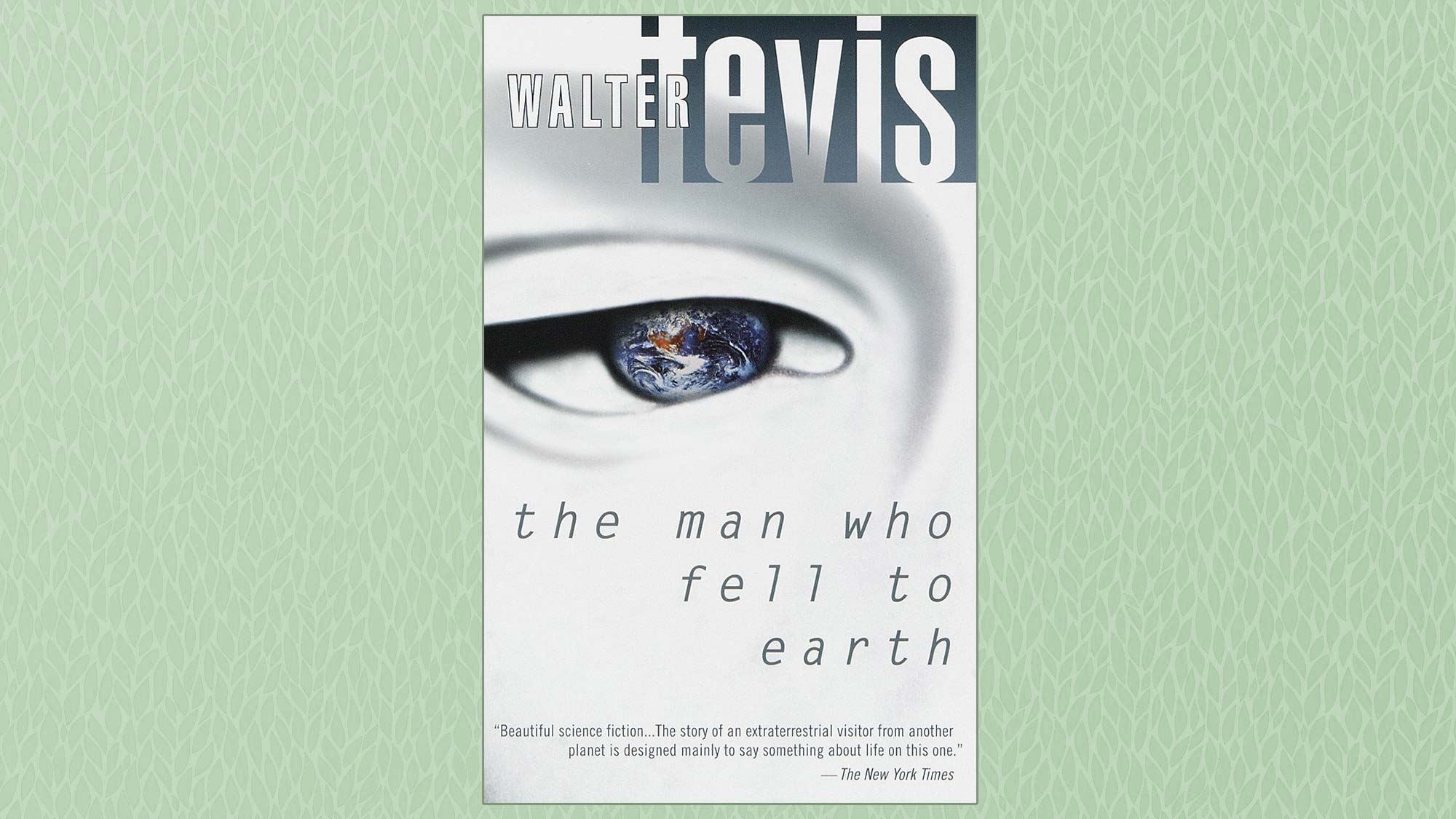
The Human Who Barbarous to Earth by Walter Tevis
Maybe ameliorate known for its movie adaptation starring David Bowie, "The Man Who Fell to Earth" past Walter Tevis (Gold Medal Books, 1963) is a brisk sci-fi read with a solid premise and an entertaining cast. Thomas Jerome Newton may wait like a tall, pale human, but he's actually an Anthean: an alien from a distant spot in our own solar system. Centuries ago, a nuclear war brought Anthean civilization to the brink of collapse. At present, Newton has traveled to World to prevent humans from making the same mistake.
While The Man Who Fell to Earth could accept been a uncomplicated polemic about the dangers of the Diminutive Age, the book is a fiddling more thought-provoking than it lets on. Newton isn't simply a martyr, doomed to exist rejected by a belligerent human race. Instead, the book raises questions nigh whether humanity is really hell-bent on extinguishing itself — and whether submitting ourselves to an outside strength, however benevolent, would actually exist a good idea. The novel is dark, but not bleak, and raises some interesting questions, as all good sci-fi should. – Marshall Honorof
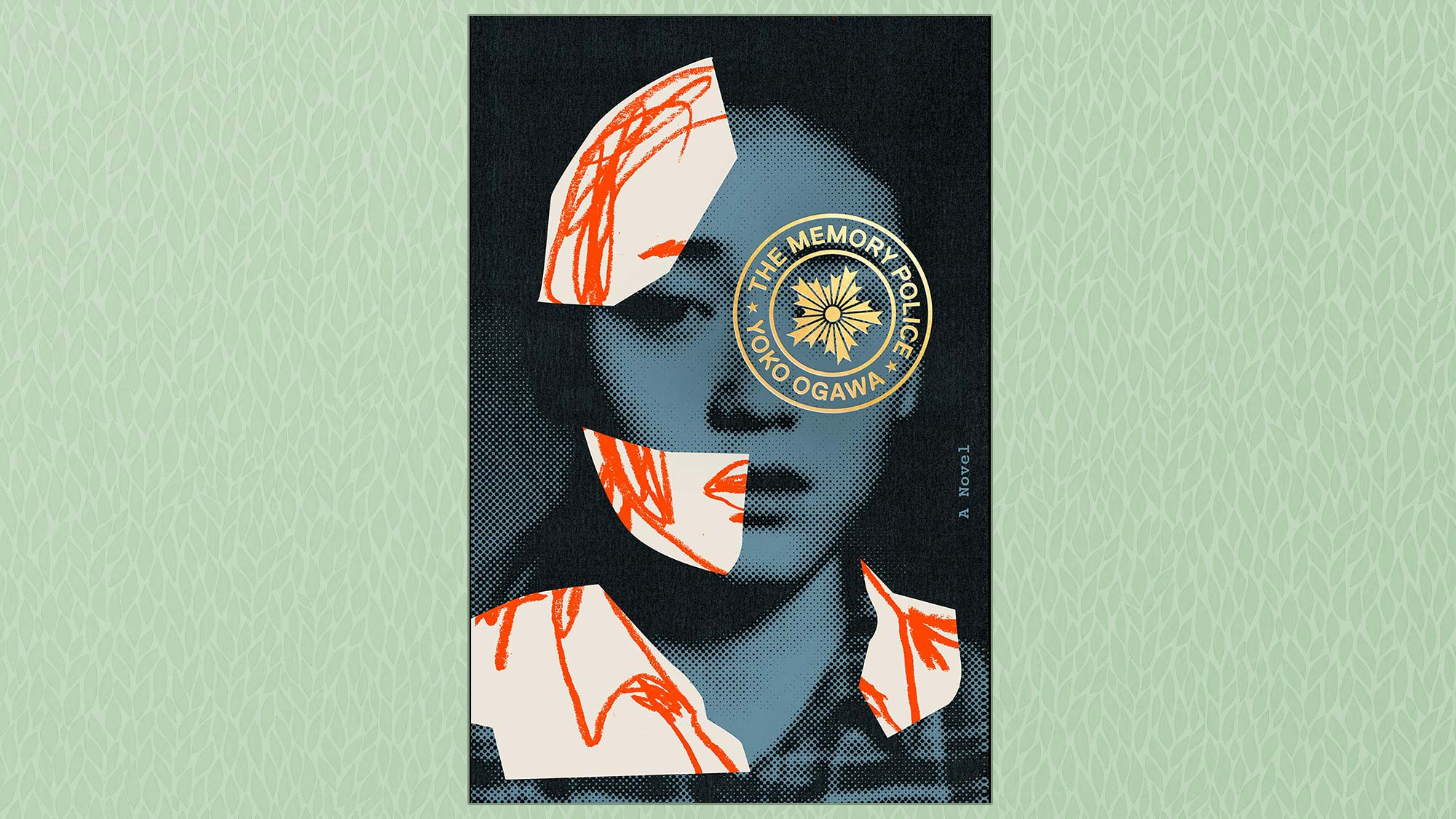
The Retention Police by Yōko Ogawa
Equally we alive in an utterly weird moment ourselves, I've been enjoying another completely odd universe. In Yōko Ogawa'south The Retentivity Police, the titular cops — for reasons that go unsaid up forepart — are taking extreme measures to remove every thread of the by. In a moment where nosotros're all living rather repetitive lives, this bleak possibility of a globe without our memories, is as scary every bit any horror story can provide.
Ogawa's restrained and almost poetic prose makes The Memory Police force all the more impacting. While I could see this book being a folio-turner for some looking for the answers, I take to put it down later a few chapters, every bit it's got this mix of Black Mirror and Fahrenheit 451 and 1984 that hits quite hard. Merely even though it feels related to those works, The Memory Police feels completely novel and unique. — Henry T. Casey
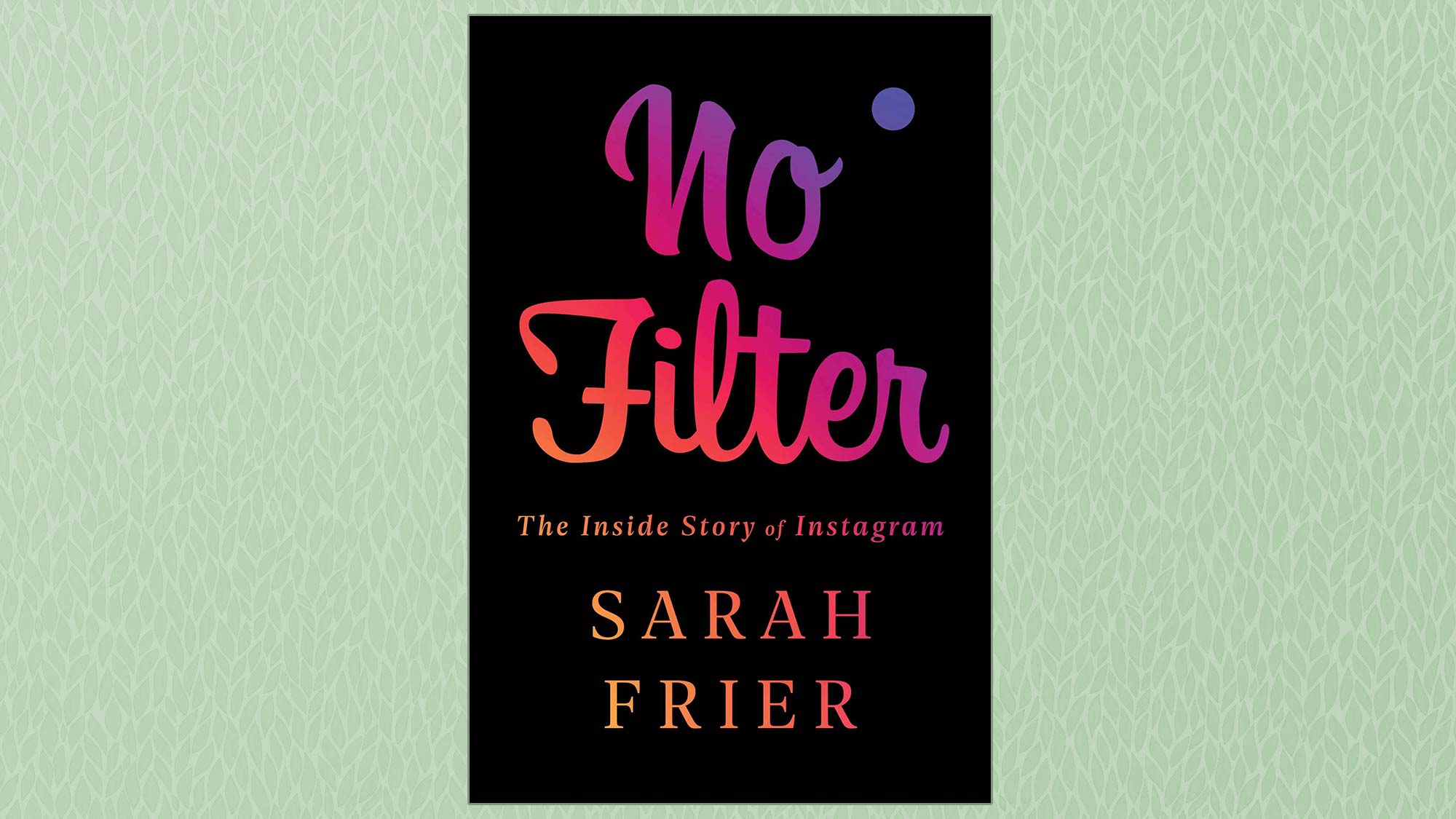
No Filter: The Within Story of Instagram by Sarah Frier
Heavy Instagram users, and all fans of tell-all books that explicate the behind the scenes stories subconscious from the public, volition get a kick out of Sarah Frier'southward brilliantly written new release. Made possible past extensive access to Kevin Systrom and Mike Krieger, the guys who made Instagram, No Filter tells the story of arguably the biggest app today. Here, you'll see how the app was created and and then sold to Facebook, and the events that led Systrom and Krieger to go out the app they made.
And, honestly, since all of our vacations (myself included) are cancelled right at present, we don't have the chance to post those gorgeous travel snapshots, it's a perfect time to snuggle up with this read. No Filter is an utter page turner, though, because of Frier's conclusion to write it with a narrative format, and non a dryer format that other corporate histories take. Every bit yous flip through the pages, you lot see a story that not merely thrives on the folio, but should jump to the big screen as a perfect sequel of sorts to The Social Network. — Henry T. Casey
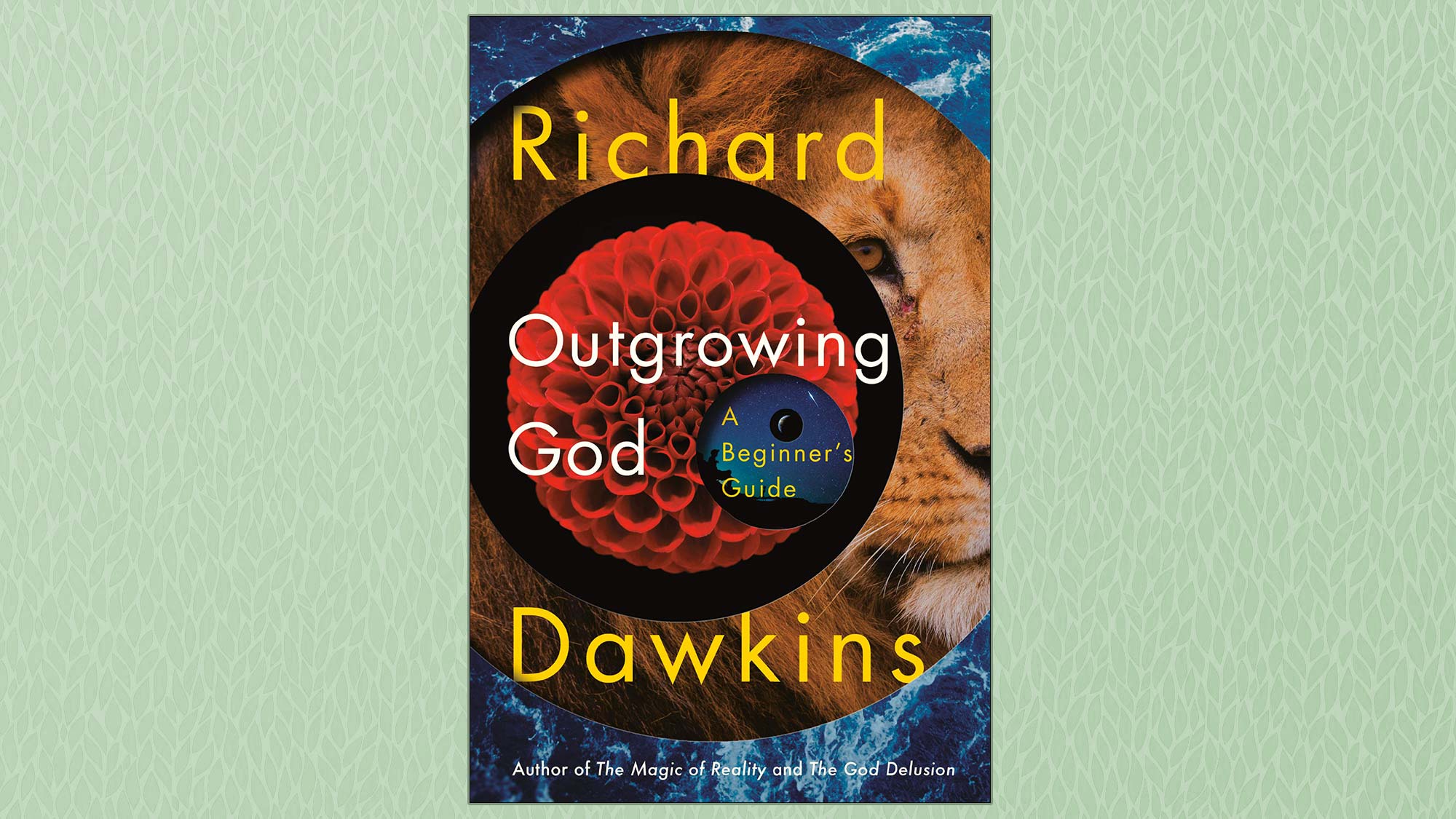
Outgrowing God: A Beginner'south Guide by Richard Dawkins
If you're at all familiar with the name "Richard Dawkins," so you lot probably already know how yous feel about him, and his books. Personally, I've always enjoyed Professor Dawkins' clear-eyed criticism and wonder with the natural world. Every bit famous for his novel ideas in biological science and his spirited defence force of atheism, it'due south fitting that Dawkins' latest book, "Outgrowing God: A Beginner'south Guide" (Random House, 2019), is equal parts a case against faith and a primer on the natural sciences.
"Outgrowing God" is conspicuously aimed at people who are merely starting to question their organized religion. Just as an admirer of Dawkins' lectures, TV shows and other books, I still devoured this book in two days. Dawkins takes supernaturalism and magical thinking to task, splashing readers awake with a cold saucepan of logic and reason. Nevertheless, "Outgrowing God" is not hateful-spirited in the aforementioned way that "The God Delusion" (Batman Books, 2006) sometimes was. It invites readers to retrieve for themselves and take empirical evidence seriously — an especially useful skill during a pandemic. – Marshall Honorof
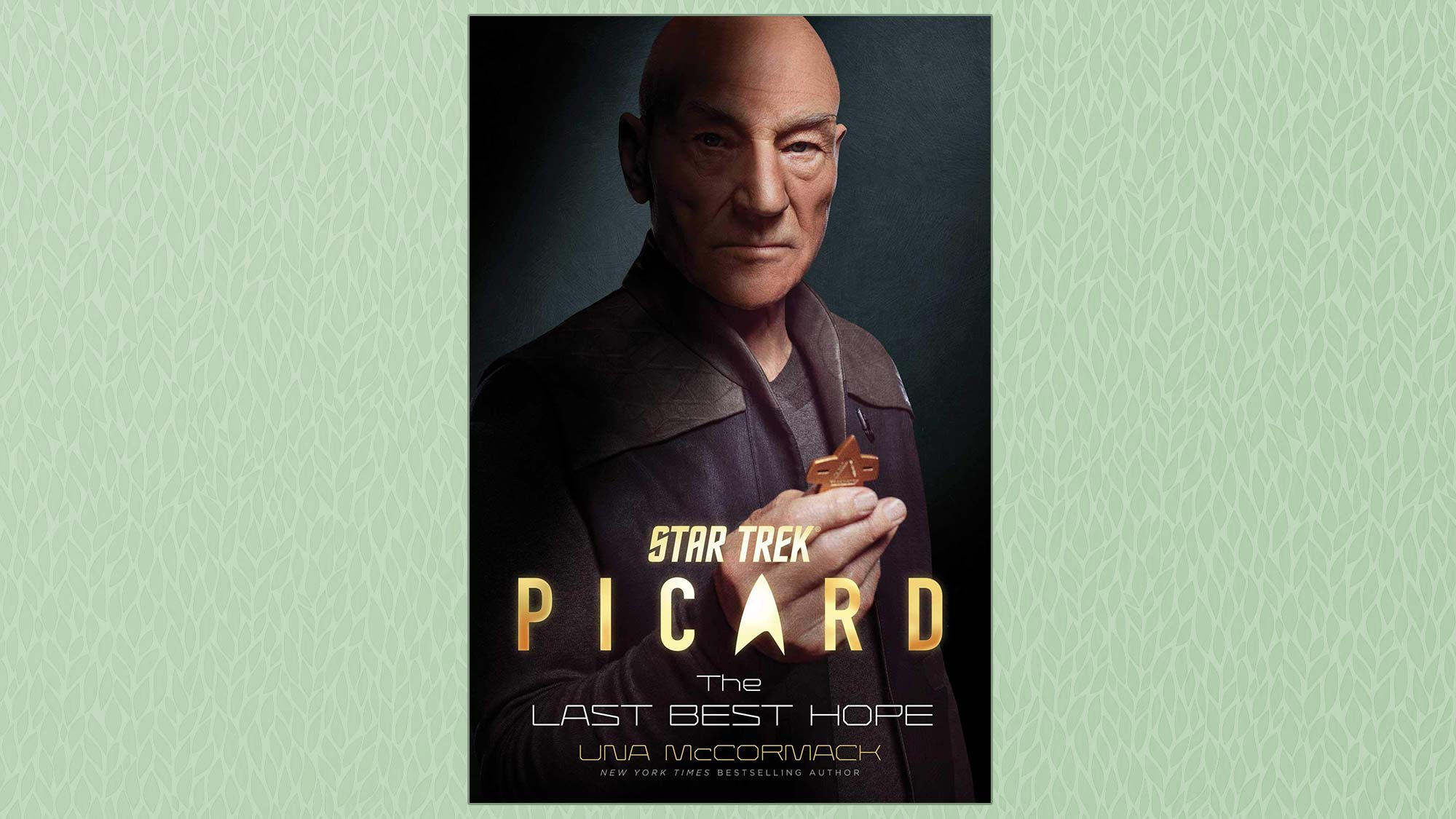
Star Expedition: Picard: Terminal Best Hope by Una McCormack
The starting time season of Star Trek: Picard has come and gone, and the way things are going, who knows when CBS volition even be able to picture a Season 2? In the meantime, there'southward "Star Trek: Picard: Last Best Hope" by Una McCormack (Pocket Books, 2020). Tie-in media for Telly shows admittedly doesn't take the best track record, and Star Expedition novels are no exception. But McCormack is generally one of the best writers in the concern, building on franchise lore rather than simply reiterating information technology, and "Last Best Hope" is up to her usual standards.
This prequel novel takes place between Star Trek: Nemesis and Star Trek: Picard, telling the complete story of the Romulan relocation effort. Even equally someone who was lukewarm on the show, the book grabbed me early on on and didn't let go. Similar the all-time Star Trek stories, it's about competent people attempting an impossible project, and all the defeats and victories forth the way. Adm. Picard takes heart stage along with his new XO, Cmdr. Raffi Musiker, but at that place's too an excellent B-story all nearly fan-favorite Cmdr. Geordi LaForge — who actually should accept been in the show. – Marshall Honorof

Source: https://www.tomsguide.com/round-up/best-books-to-read
Posted by: harbuckfingir.blogspot.com
0 Response to "The best books to read while stuck at home"
Post a Comment